
Industrial IoT design
Map devices, gateways, network requirements and data flows for industrial contexts.
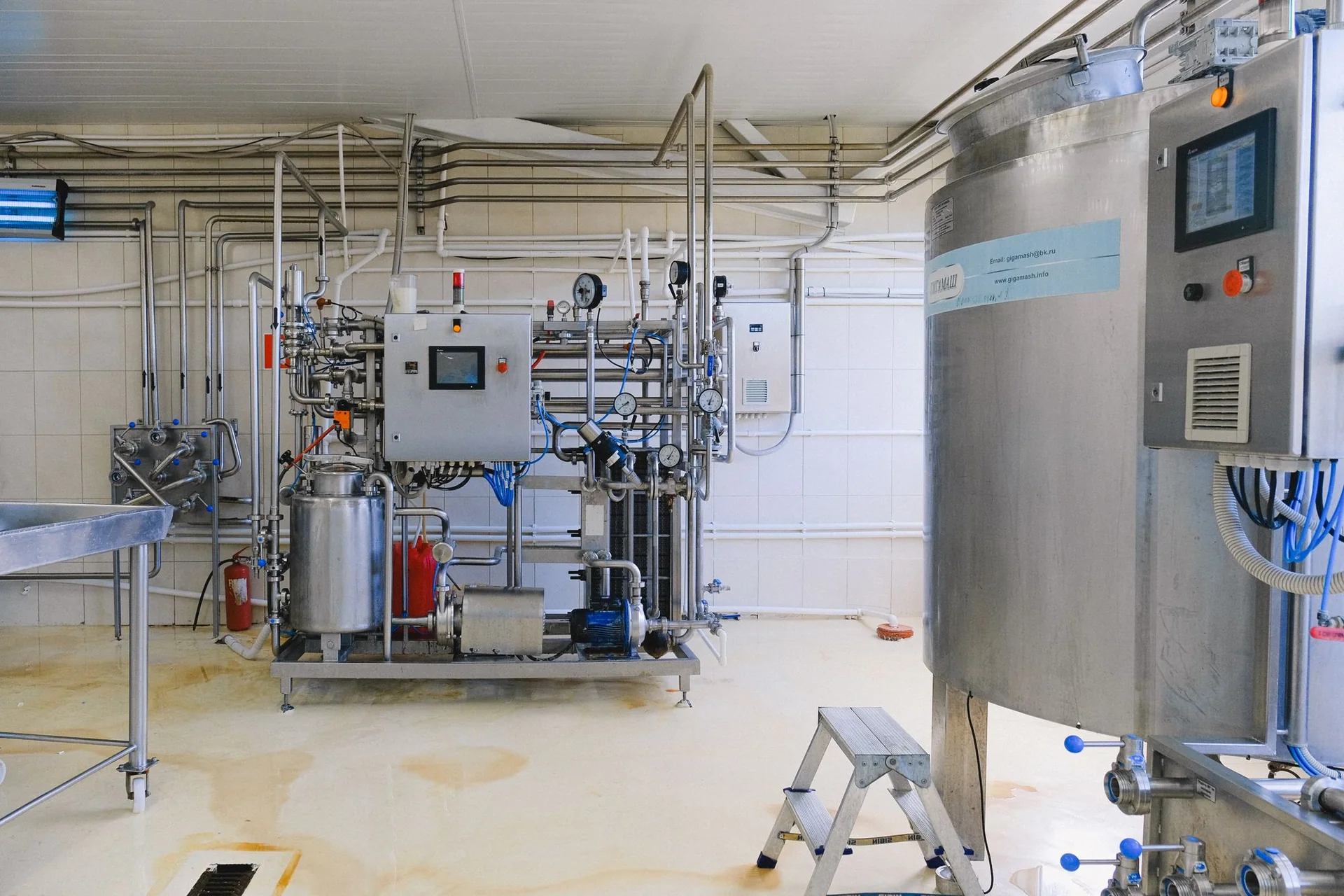
Unlock visibility across equipment, environments and connected operations through thoughtfully integrated IoT systems and analytics.
Discuss your project
Sensors can produce more information than teams can act on. The challenge is connecting the right signals to equipment history, operating thresholds and a useful response.
Connect sensors and industrial gateways to telemetry pipelines. Translate device signals into readable trends, useful alerts and informed workflows.
Sensors & industrial devices
Gateway & protocol mapping
Telemetry, trends & rules
Alerts and maintenance tasks
Modular solution areas, tailored to your environment and the business challenge.
Map devices, gateways, network requirements and data flows for industrial contexts.
Make connected-system conditions easier to observe through meaningful dashboards.
Collect telemetry and events from compatible equipment and sensors.
Design reliable ingestion, transformation and storage for device data.
Use thresholds, event logic or analytics to surface operational exceptions.
Turn historical device signals into trends, utilization views and insights.
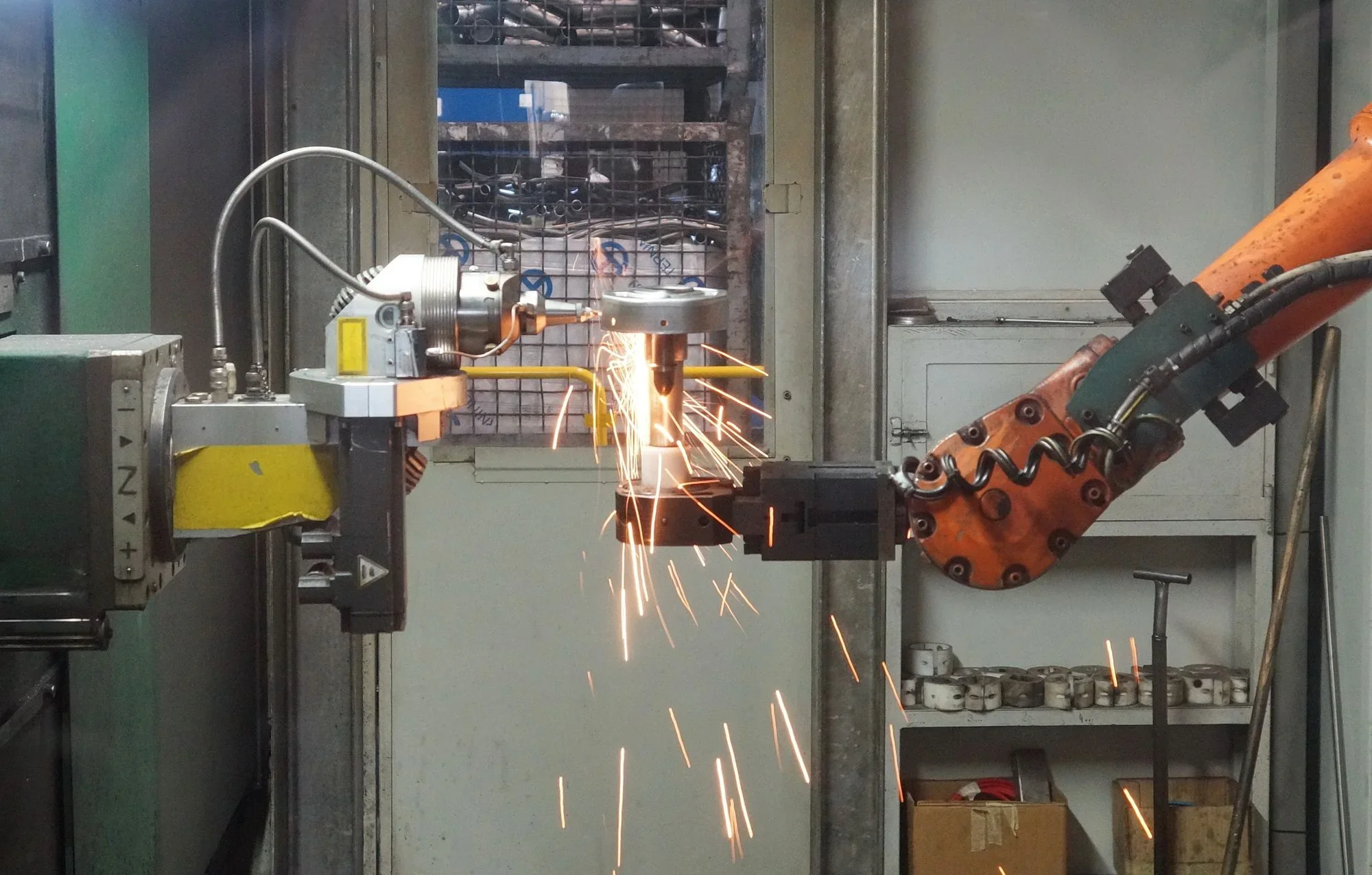
We start by identifying the actual requirements: the data, workflows, interfaces, constraints and outcomes that matter—then shape a solution around them.
Discuss this capabilityPotential opportunities for applying this capability, shaped by the systems, access, and data available.
Track selected health, status and performance indicators.
Gain visibility into environmental or energy-related telemetry.
Bring distributed device signals into shared operational views.
Bring connected device readings into one view.
Apply thresholds suited to each asset.
Route an alert with the information teams need.
A disciplined delivery approach, shaped around your environment and the outcomes that matter.
Understand the business context, users, systems and real constraints.
Choose the right data flows, controls, interfaces and technical foundations.
Develop iteratively, test assumptions and integrate the moving parts.
Measure outcomes, improve reliability and plan the next iteration.
The technology choices depend on the environment, constraints, and measurable objectives.
Capabilities are solution areas. Delivery stacks and commercial commitments are confirmed during project scoping.
No. Depending on latency, connectivity and privacy requirements, some processing can remain at the edge.
Often, provided device protocols, documentation, interfaces and access are available for the required integrations.
Start from an operational question and select the minimum useful telemetry rather than collecting data without purpose.